Seminarreihe Mediation und Konfliktberatung in Soloselbständigkeit
Vier Seminare. Eine professionelle Weiterentwicklung.
Für Soloselbständige möglicherweise via KOMPASS-Programm förderfähig (dazu unten mehr!).
Ziele der Seminarreihe
We set priorities – right from the start.
Hier finden Sie die Seminartermine für die Weiterbildungsreihe.
Seminarreihe I
- Modul Strategische Mediation: 30.09. – 02.10.2026
- Modul Transaktionsanalyse für Mediator*innen: 28.10. – 30.10.2026
- Modul Marketing für Mediator*innen: 16.-18.12.2026
- Modul Verhandlungslehre für Mediator*innen: 13.-15.01.2027
Seminarreihe II
- Modul Marketing für Mediator*innen: 16.-18.12.2026
- Modul Verhandlungslehre für Mediator*innen: 13.-15.01.2027
- Modul Strategische Mediation: 11.-13.02.2027
- Modul Transaktionsanalyse für Mediator*innen: 15.-17.04.2027
1. Strategische Mediation
Konflikte bearbeiten reicht nicht. Man muss ihre Zukunft verstehen.
- Organisationen haben Interessen, nicht nur Personen.
- Konflikte folgen Strategien, nicht nur Emotionen.
- Mediation wirkt nachhaltiger, wenn sie die Zukunft des Systems berücksichtigt.
Lernen Sie, Konflikte strategisch zu lesen und Interventionen strategisch zu gestalten.
2. SEMINARINHALTE
(incl. practical examples, role plays, supervision)
- Organisationale Perspektive verdeutlichen:
Welchen Einfluss hat die auftraggebende Organisation auf die Grundsätze von Vertraulichkeit und Allparteilichkeit. - Conduct mediation for organisations:
What does it mean for mediators not (only?!) to be commissioned by the conflict parties? What does the mediation architecture, its design and its implementation look like? What are the stumbling blocks? - Work in line with the overall strategy:
Context awareness - mediation in organisations is sometimes also organisational development, not (only) personnel or even personality development!
1. Transaktionsanalyse für Mediator*innen
Hinter jedem Konflikt steht eine Logik menschlicher Beziehungen.
- Warum Menschen eskalieren.
- Warum manche Gespräche festfahren.
- Warum gute Argumente oft wirkungslos bleiben.
Verstehen Sie die psychologischen Muster, die Konflikte antreiben – und wie Mediation neue Handlungsmöglichkeiten eröffnet.
2. Seminarinhalte:
- Commonality: transformation approach
- Common ground: future orientation
- Similarities and differences
- Humanistic view of man
- Counselling approach
- Process-orientated way of working
- Fundamental concept: drama triangle
- Difference: Mediation does not have to be based on depth psychology, TA can have a complementary effect.
- Communication model of transactional analysis as a theoretical concept for conflict mediation
Individual TA concepts for diagnosis and intervention
- From the drama triangle to the mediation round table
- Passivity and grandiosity
- Ego states and personality concepts
- Feelings and emotions, especially substitute feelings (discount stamps)
- Eric Berne's 8 interventions (including appreciative confrontation)
- The 8 relationship needs in conflict according to Erskine
- Process scripts and driver dynamics for analysing conflict dynamics
Practical exercises, role plays, case work
1. Marketing für Mediator*innen
Gute Mediator*innen gibt es viele. Sichtbare deutlich weniger.
Nicht die Qualität Ihrer Arbeit entscheidet allein über Ihren Erfolg. Sondern ob die richtigen Menschen überhaupt erfahren, dass es Sie gibt.
Entwickeln Sie eine klare Positionierung und eine Marketingstrategie, die zu Ihnen und Ihrer professionellen Identität passt.
2. SEMINARINHALTE
(incl. practical examples, role plays, supervision)
- Mein Geschäftsmodell?
- Meine Stärken und Schwächen als unternehmerische*r Mediator*in?
- Meine Marktpositionierung?
- Meine Kontaktangebote/Kontaktpunkte für Kunden (die nicht immer Konfliktpartei sind!)
- Mein werblicher Content?
- Broadening perspectives: Who are my customers really?
- Perspektivenwechsel – 1: Wie stellt sich Mediation für Konfliktparteien dar?
- Perspektivenwechsel – 2: Auf welche Frage meiner Kunden ist meine Mediation die Antwort?
- Clarity of perspective: How does my mediation offer present itself to my target group?
- Leitfrage: Wie erschaffe und weite ich die Räume für meine Mediationsdienstleistungen?
1. Verhandlungslehre für Mediator*innen
Mediation ist Verhandlungsarbeit.
Jede Mediation enthält Verhandlungen.
Doch viele Mediator*innen kennen die Dynamiken von Macht, Einfluss, Verhandlungspsychologie und strategischem Verhalten nur oberflächlich.
Lernen Sie Verhandlungen zu verstehen, bevor Sie sie moderieren
2. SEMINARINHALTE
(incl. practical examples, role plays, supervision)
- Was ist Verhandeln – und was bedeutet das für die Mediationsperson?
- Verhandlungsansätze und Verhandlungsstile
- Dealing with competitive negotiation styles
- Mediation als drittgestütztes Verhandlungsverfahren
- Rationales, kooperierendes Verhandeln – Chancen und Risiken.
- Bedeutung des rationalen Verhandelns für die Mediation (Harvard-Verhandlungskonzept)
- Tipps und Tricks der Verhandlungsführung – durch einen Dritten
- Dealing with problematic behaviour of the conflict parties
- Typical rationality traps, heuristics and biases
- spezifisches Anwendungsfeld für Anwaltsmediator*innen: Collaborative Law/Collaborative Practice
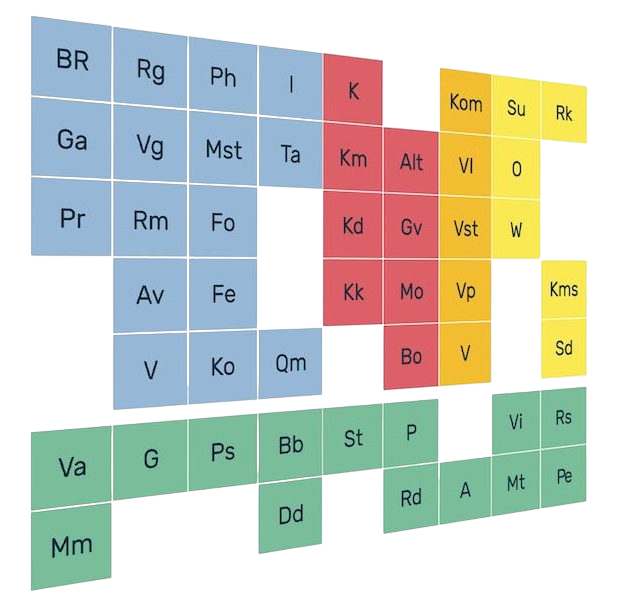
Unser digitales Lernmanagementsystem
Didactic training concept
- They are trained on the basis of our didactically well thought-out and digitally unique training and further education concept.
- Right from the start, we train you to think about the organisation's perspective and act accordingly.
- You benefit from our extensive and high-quality practical experience in complex organisational contexts.
- Sie erhalten unsere legendären Karteikarten ausgehändigt sowie digitalen Zugang zur Plattform (www.elemente-der-mediation.de).
Hausinterne KI-Untersützung
Wir experimentieren nicht nur frei zugänglich mit unseren Künstlichen Intelligenzen (siehe KI-Kompass), sondern stellen ab 2026 exklusiv für unsere Ausbildungskandidat*innen spezifisch konfigurierte Künstliche Intelligenzen zur Verfügung. Sie können mit diesen KI-Tools beratungstypische Gesprächssimulationen carry out.
- Order clarification meetings
- Einzelberatungsgespräche sowie als Vorbereitung für Vermittlungsgespräche
- Fragetechniken einüben

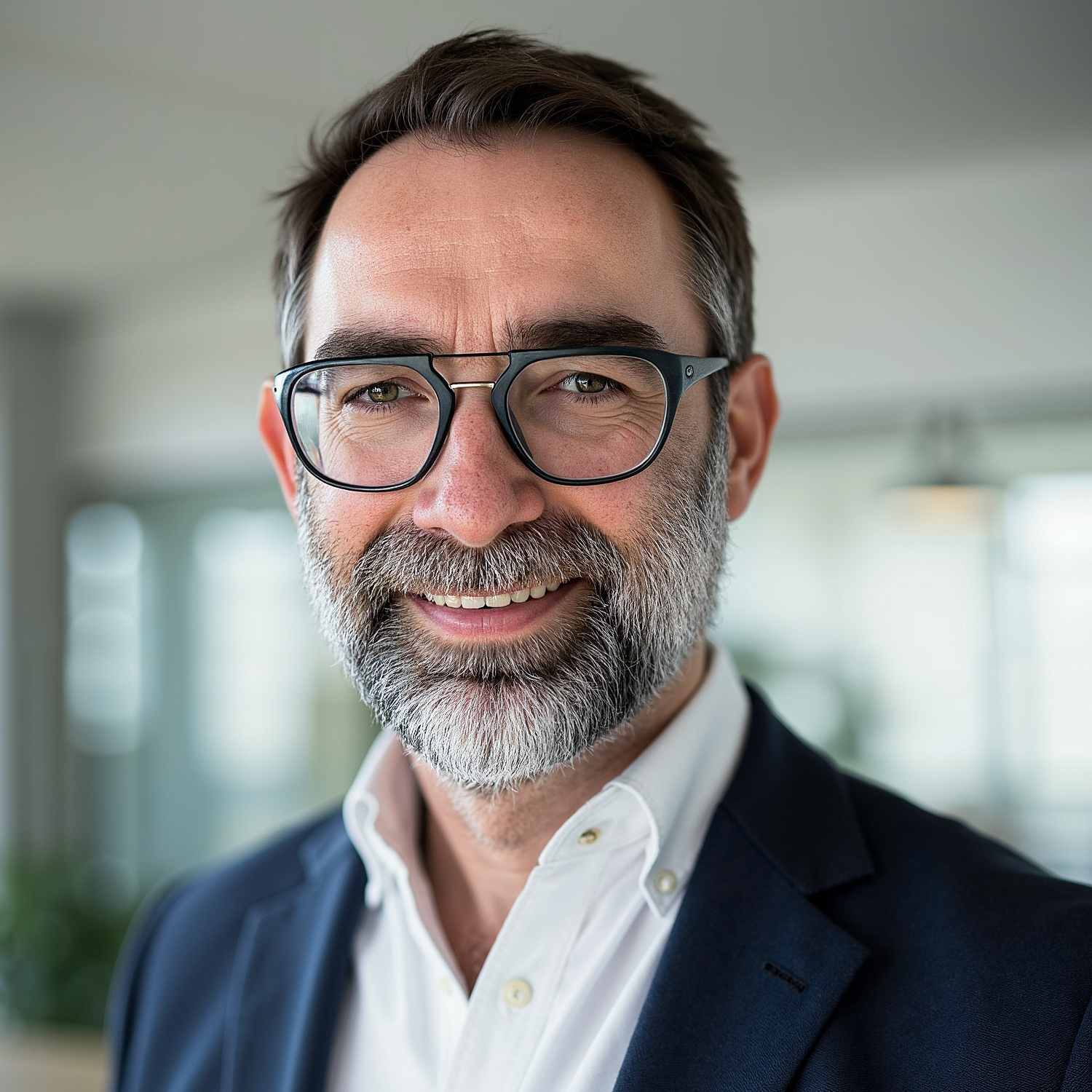
Your seminar leader Prof Dr Sascha Weigel
Prof Dr Sascha Weigel, Mediator and Trainer (BM), Senior Coach (DBVC), Teaching Transactional Analyst under Supervision PTSTA-O (EATA/DGTA); Honorary Professor for Mediation and Conflict Management MLU Halle
Co-Seminarleiterin Angelika Wendt
Angelika Wendt, mediator and systemic consultant, organisational consultant, adult educator

Informationen und Konditionen zur Seminarreihe
Comments on our work
Of course, you can go elsewhere and do seminars and training courses there, but why? Here the quality is right, the content and presentation are at the highest level. Simply great.
 STEPHAN BADER, Senior Director HR/Syndikus, European Air Transport DHL Express Leipzig GmbH, European Air Transport DHL Express Leipzig GmbH
After an initial mistake at another training institute, I was impressed by you from the very beginning. totally enthusiastic ...you have created a great education...and with an ideal group, personalities from different industries, age groups, professions...in short: a perfect learning environment. I am a real fan and would recommend the training programme to others at any time.
 ANJA BENKE, Personal- und Organisationsberaterin, Benke Personalentwicklung
The training you offer with INKOVEMA is very demanding, very appealing and rhetorically so pleasant and so well-founded in terms of content
 DR. STEFANIE BUCHMANN, Formerly BASF Berlin, Chairwoman of the Works Council
The decisive factor with INKOVEMA is the combination of a solid legal background, a dialogue-based approach and the explanatory content of transactional analysis models.
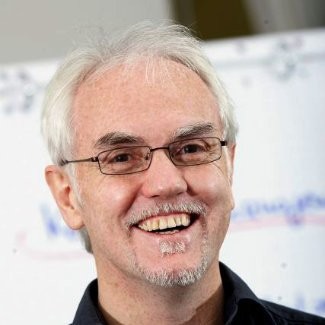 GÜNTHER MOHR, Mohr-Coaching, Berater und Organisationsentwickler
For me it was a Top-class training. Sascha always teaches in a practical manner, sharing the experience gained from his many years as a mediator and embedding the content in the dynamics of society and organisations. All this with a lot of humour and sensitivity.
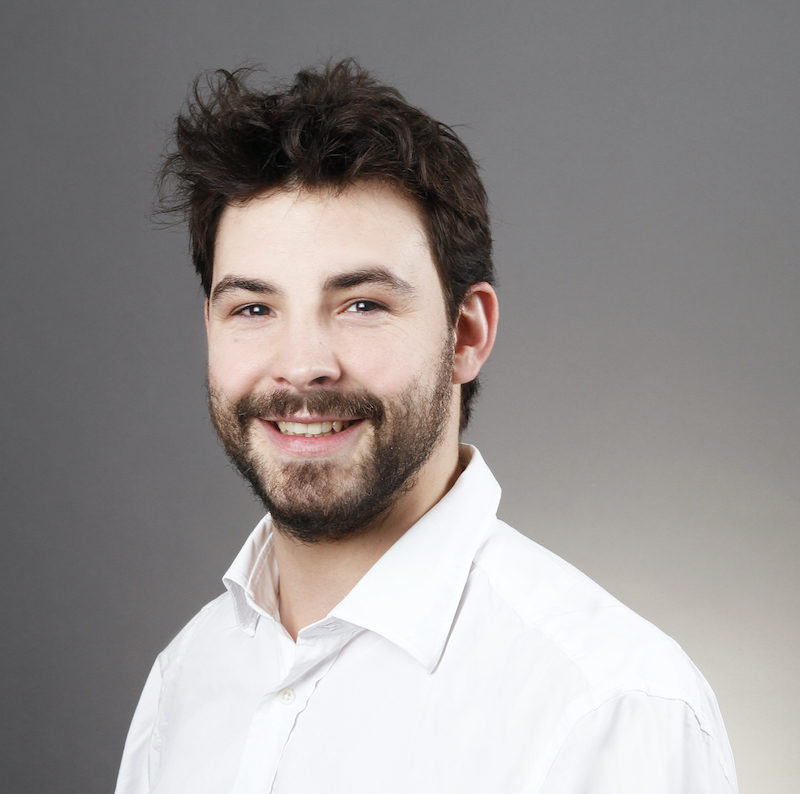 Simon Lenk, Führungskraft im Konzern, Wasserkraftwerke Leipzig