
INKOVEMA Podcast „Well through time“
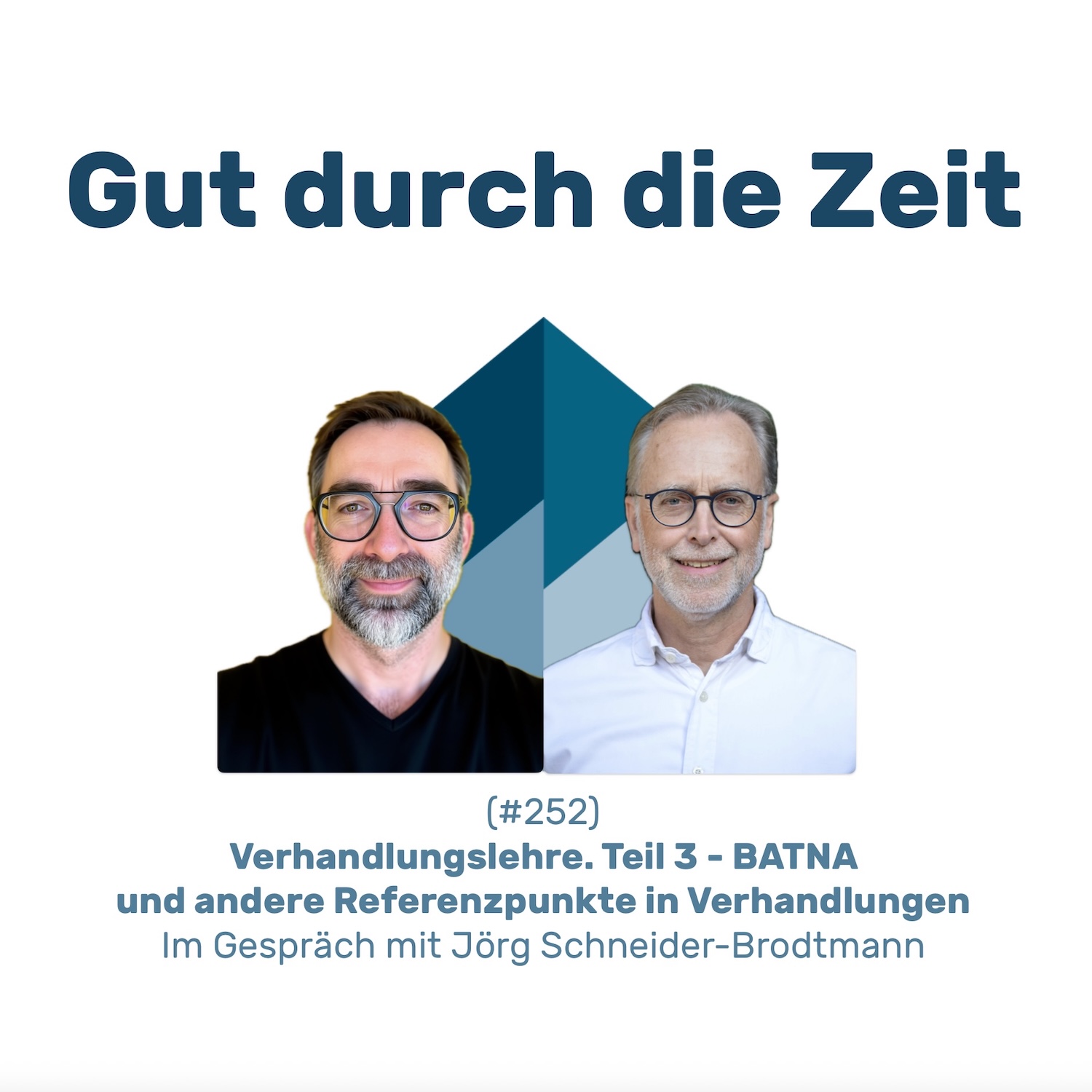
#252 GddZ
Negotiation theory. Part 2 - BATNA
Reference points in negotiations
In conversation with Jörg Schneider-Brodtmann
Studied law in Tübingen, Geneva/Switzerland, Heidelberg; Master of Laws (Mediation and Conflict Management), European University Viadrina, Frankfurt (Oder). Lawyer of the Year for Technology Law, Handelsblatt / Best Lawyers 2022 and 2024; Recommended for IT and Technology Law, Handelsblatt / Best Lawyers 2022, 2023 and 2024; Recommended for Data / Information Technology, Who's Who Legal Global and Germany 2022 and 2023; One of the most renowned lawyers for IT law, WirtschaftsWoche 34/2019.
Small series: Negotiation theory
Contents
Chapter:
Summary
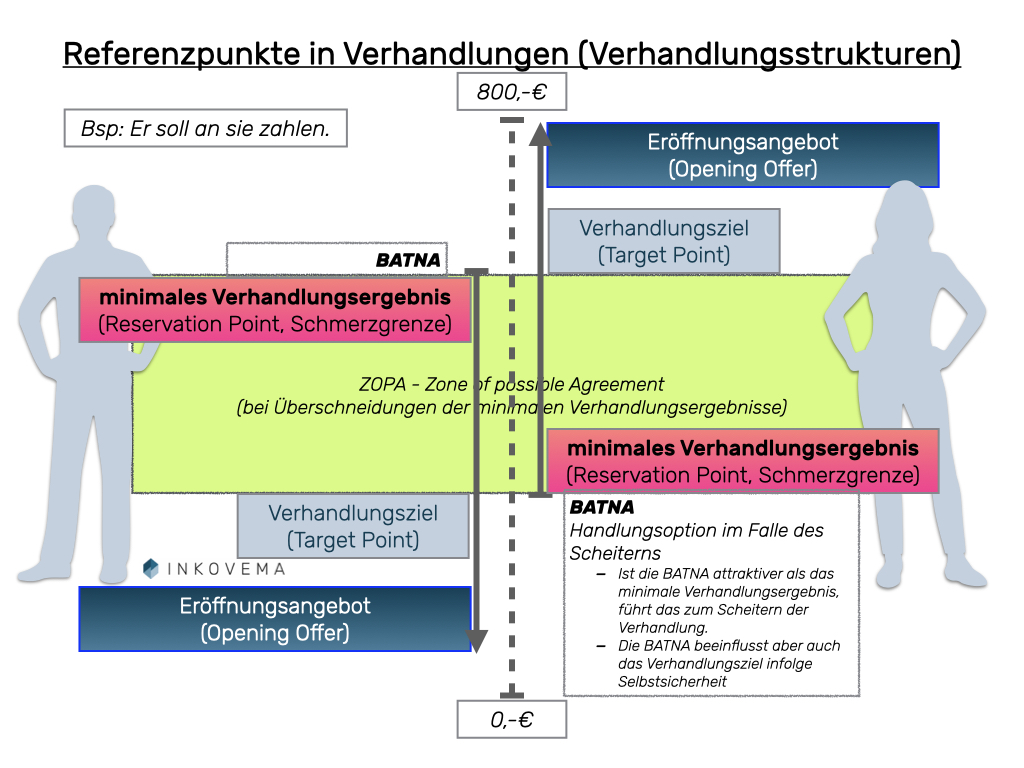
In this episode of the podcast "Gut durch die Zeit", Sascha Weigel and Jörg Schneider-Brodtmann discuss the importance of specific negotiation preparations. They shed light on the role of emotions in negotiations, the concepts of BATNA (best alternative to agreement) and pain threshold as well as the dynamics of negotiations. They also discuss the importance of alternative courses of action and the influence of negotiating power. Finally, the criticism of BATNA and the role of empathy in negotiations are discussed.
Takeaways
- Negotiations are a means of conflict resolution and prevention.
- Emotions can influence the negotiation.
- BATNA is crucial for the negotiation strategy.
- The pain threshold as a concept is one-dimensional and rigid.
- Negotiations are dynamic and can change quickly.
- Alternative courses of action expand the solution space.
- Negotiating power influences the results.
- Zones of possible agreement are important for success.
- Criticism of BATNA is necessary to maintain focus.
- Empathy can have a positive influence on the outcome of negotiations.
Kommentieren
Weitere Beiträge
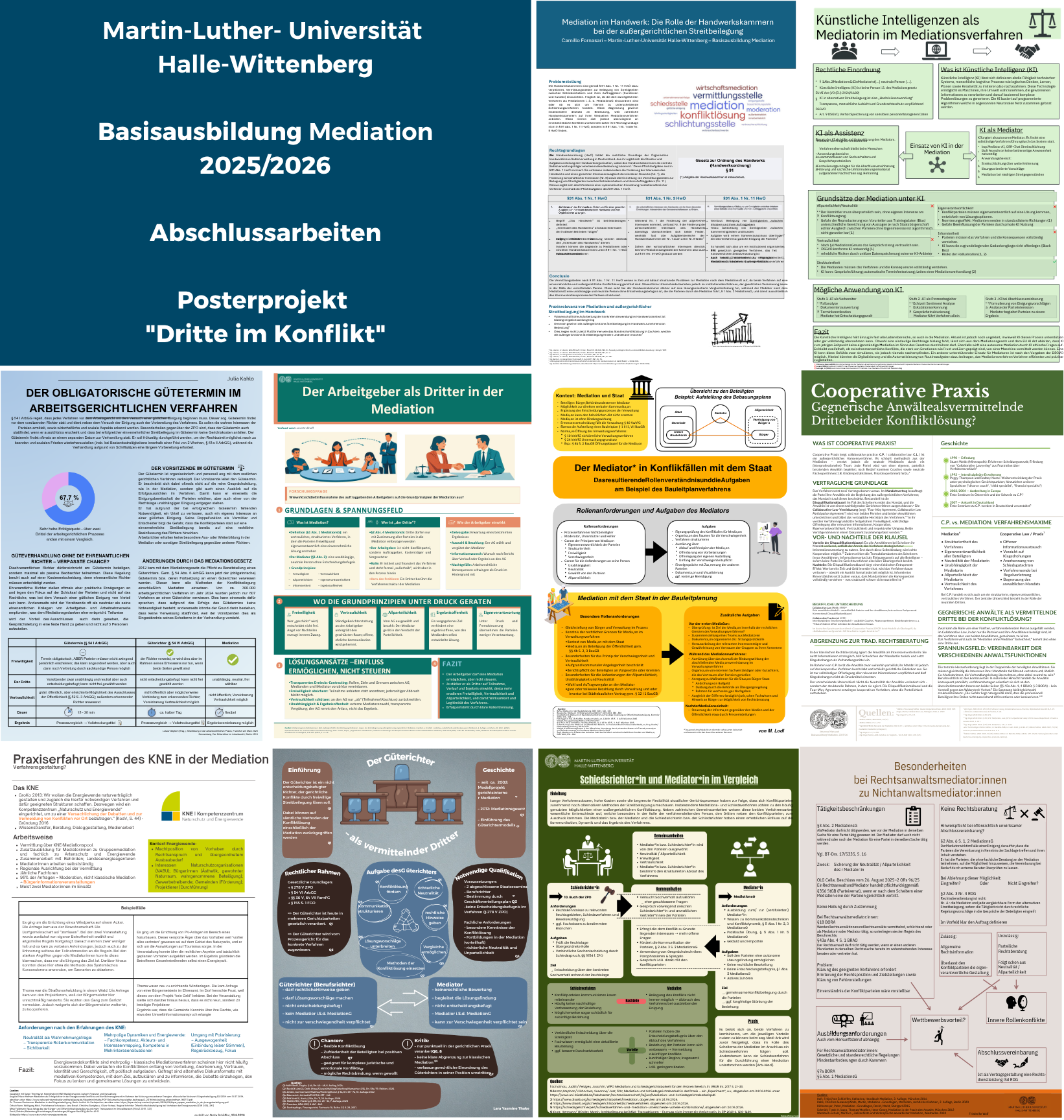

25 Beiträge zu den Grundlagen der Mediation
Hier finden Sie alle 25 Beiträge zu den Grundlagen der Mediation, die hier veröffentlicht wurden.
Weitergehende Vertiefungen bieten unsere Ausbildungen sowie unsere lernunterstützende Webseite www.elemente-der-mediation.de